Let’s Talk School: Bringing immigrant mums closer to their children’s education
Envisioning Translocality
Enabling Institutions
Enforcing Practices
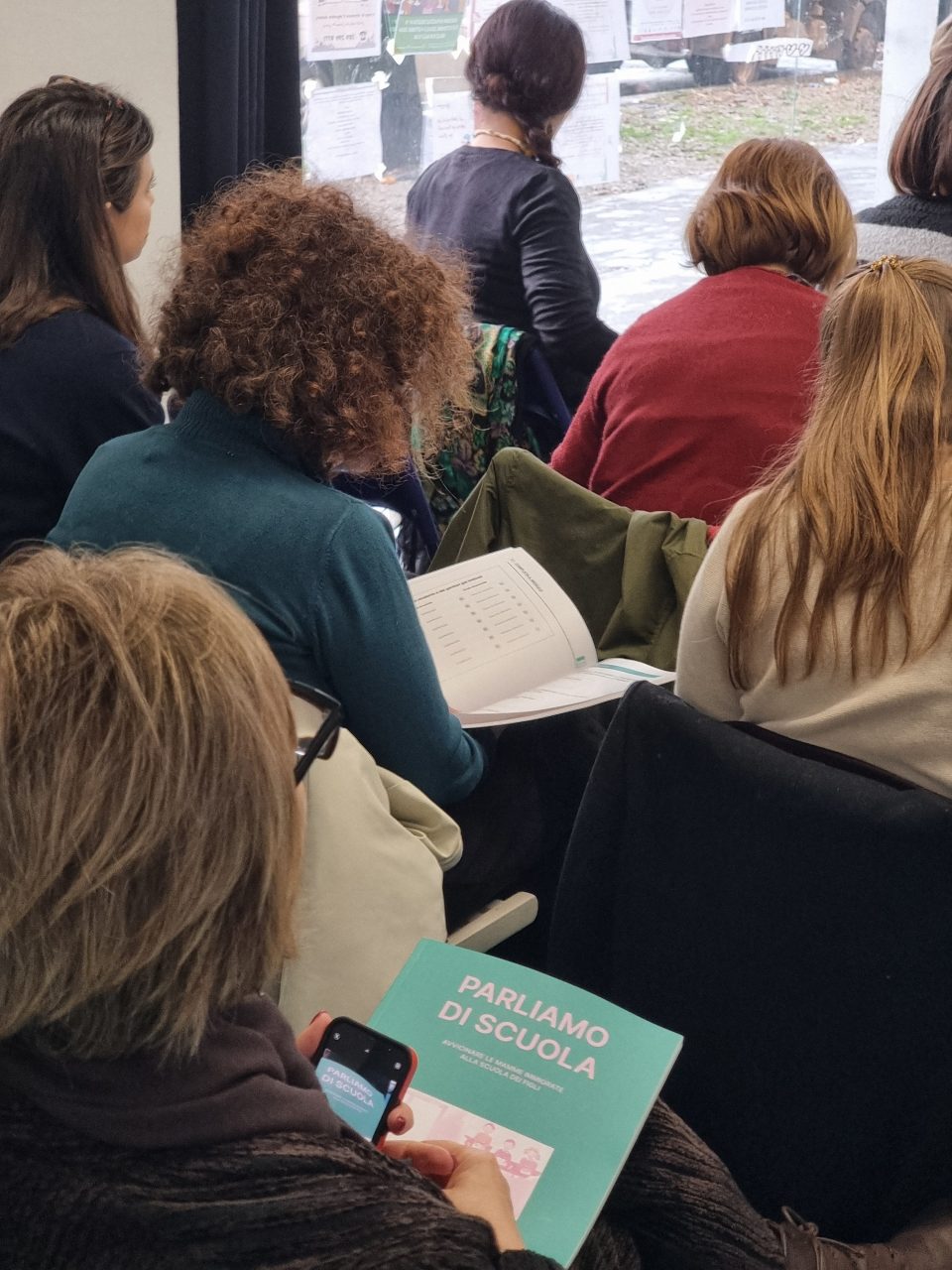
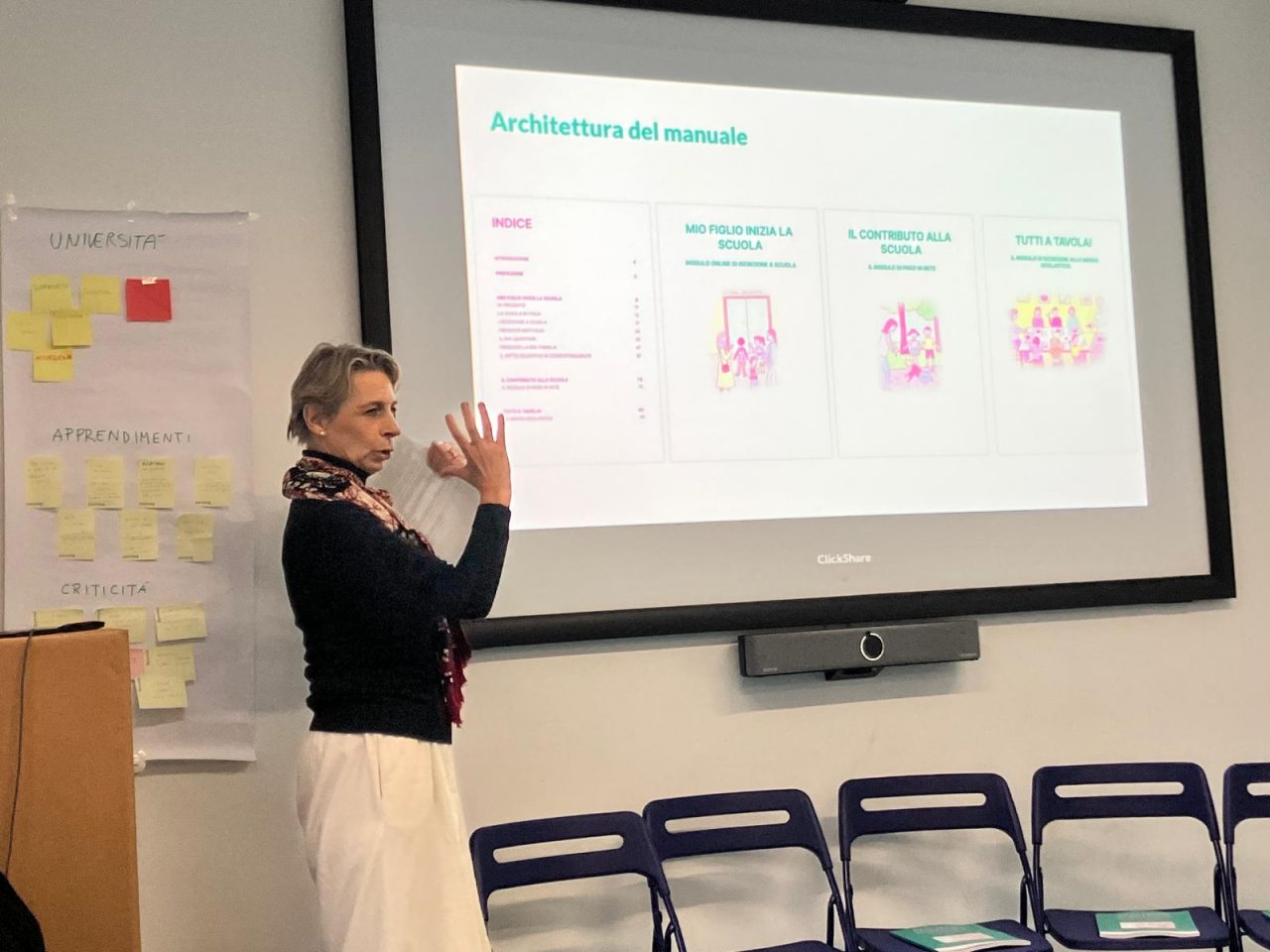
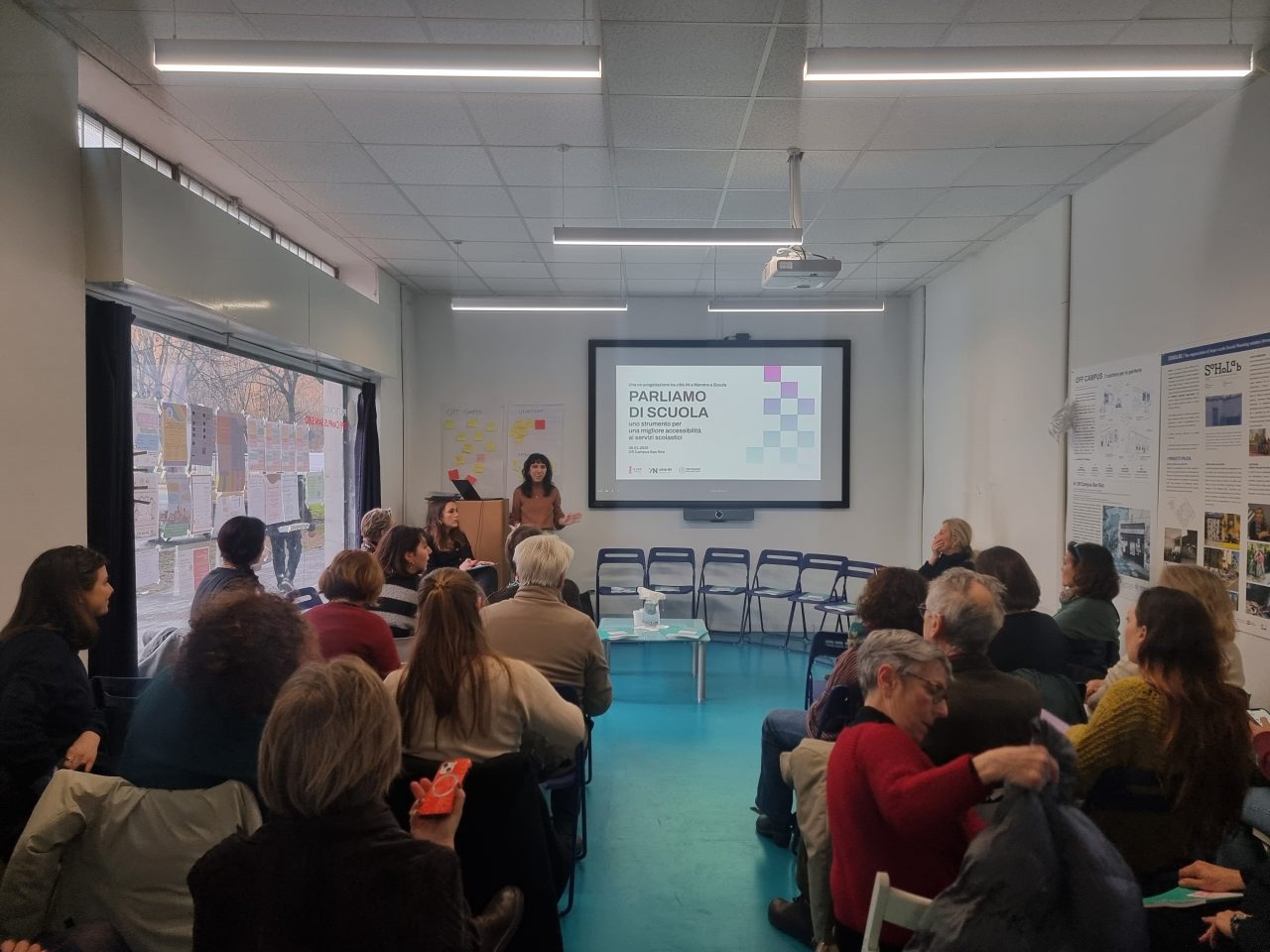
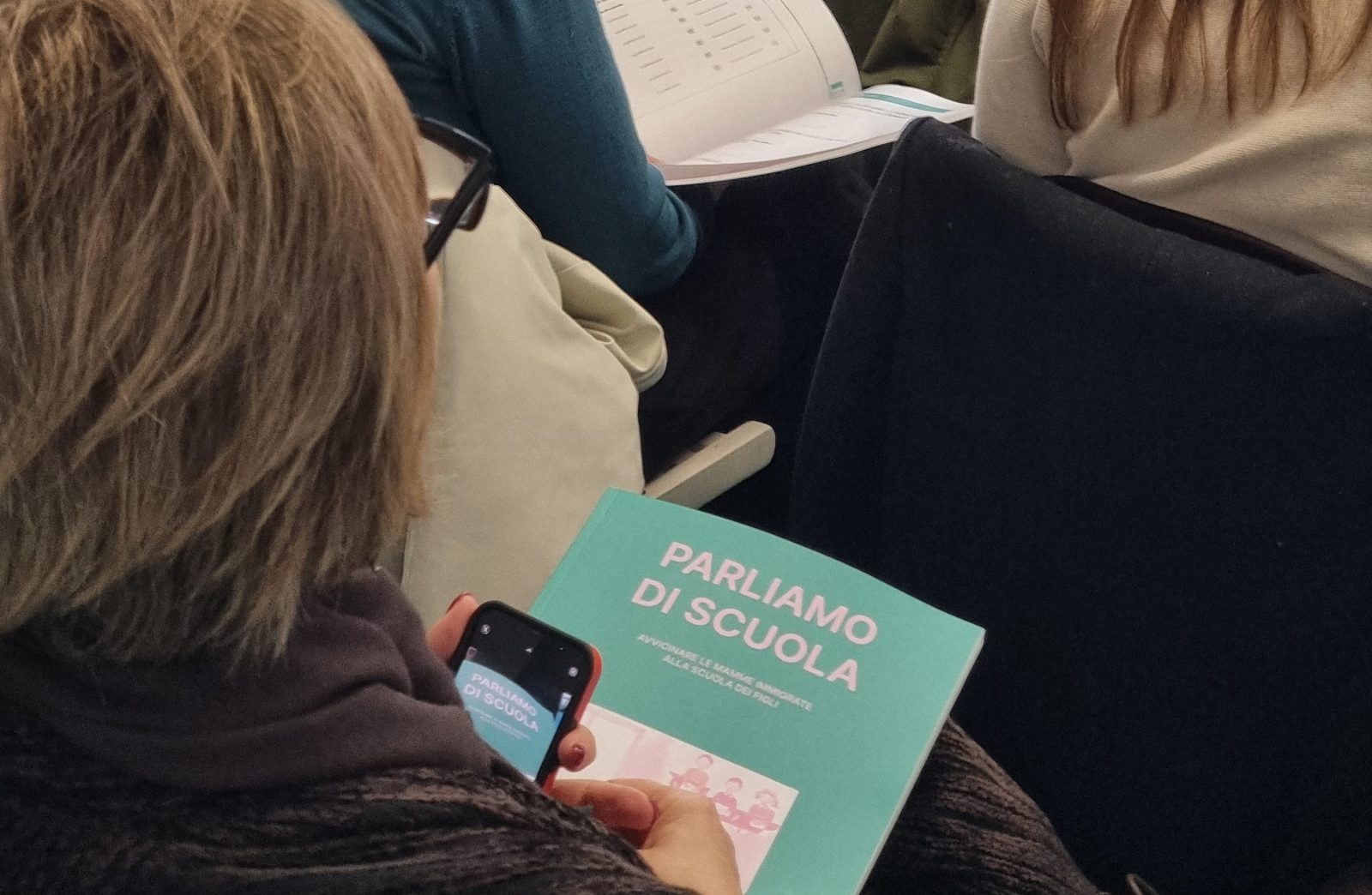
We’re excited to share the success of our public event, where we presented the co-designed and co-produced manual Parliamo di Scuola, Avvicinare le mamme immigrate alla scuola dei figli (Let’s Talk School: Bringing immigrant mums closer to their children’s education), created through the città-IN project in collaboration with the Mamme a Scuola Association.
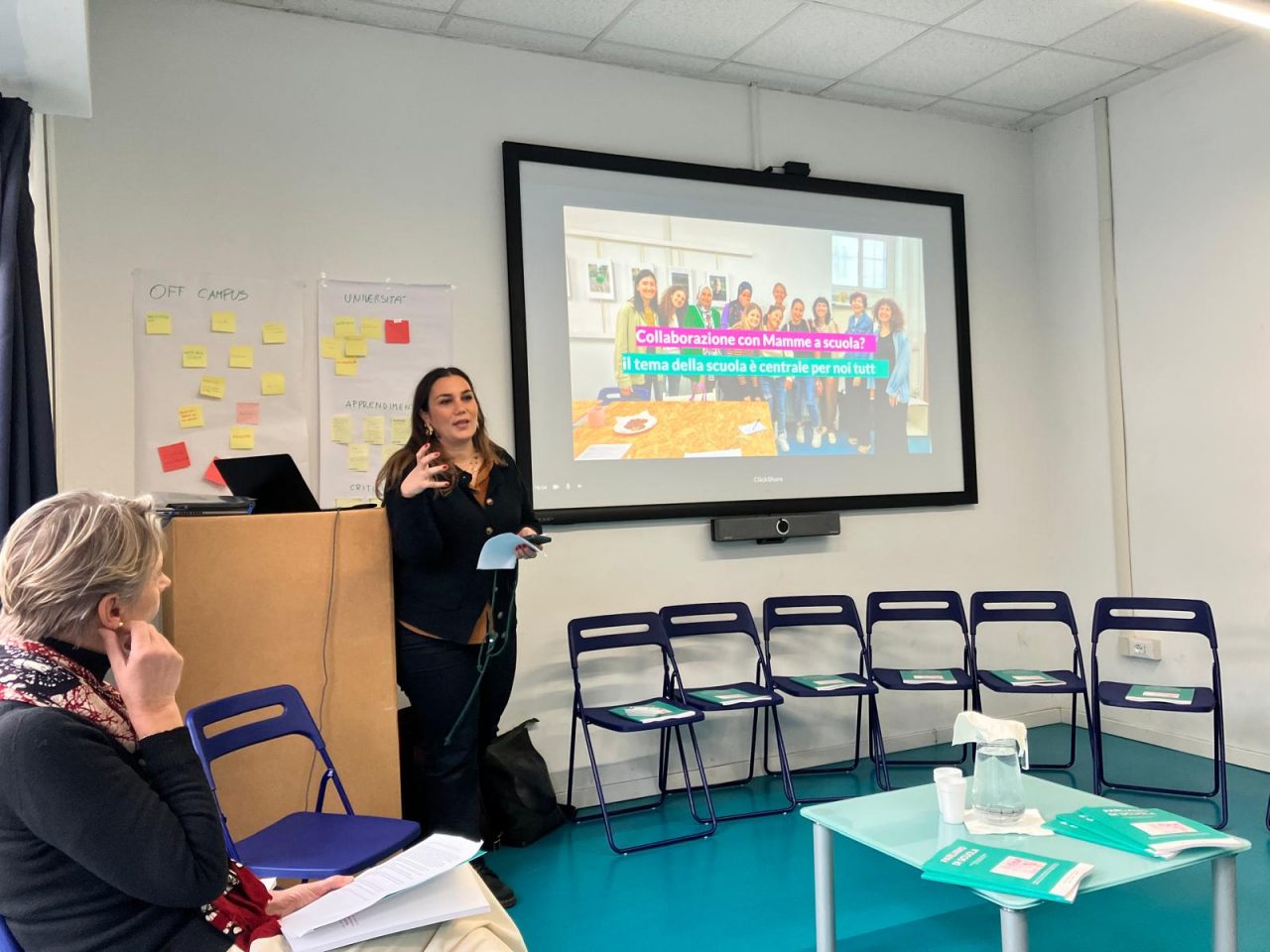
At Off Campus San Siro, we introduced the manual, designed to bridge the gap between immigrant families and the school system. Following our presentation (Giada Casarin, DAStU & Laura Galluzzo, Design), Alessandra Bonetti and Paola Raffagnato, teachers at Mamme a Scuola, shared their experiences using the manual with immigrant mothers.
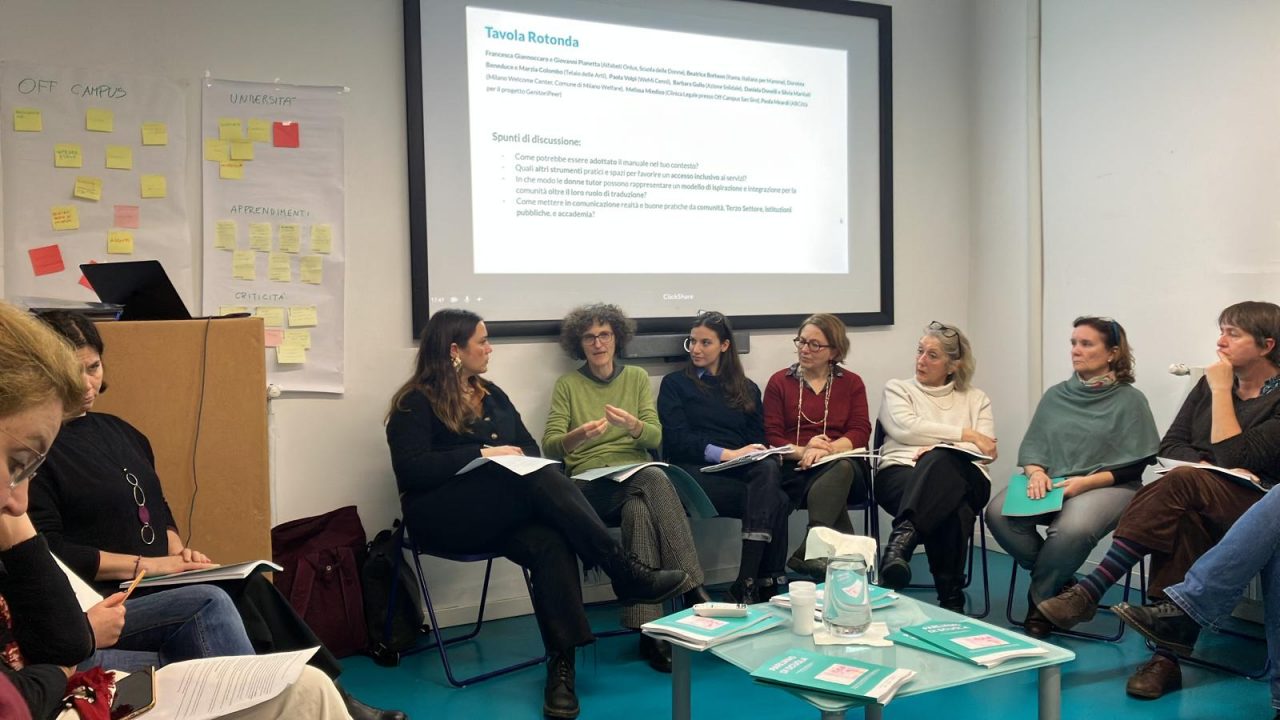
The event concluded with a rich discussion featuring associations teaching Italian to migrants (especially women with immigration backgrounds), third-sector organizations, and institutional actors such as Direzione Welfare e Salute Milano and Milano Welcome Center. During the discussion, participants shared their views on the manual and reflected on the ways in which it could be employed and readapted as a helpful and practical tool in different contexts in order to actively engage with immigrant families: from schools to help desks and peer-to-peer tutoring initiatives.
Key takeaways included:
- Sustaining research impact: Co-designing with third-sector organizations fosters long-term research sustainability in marginalized urban areas.
- Inclusive tools: Formative and informative tools and manuals can help bridge the gap between immigrant communities and public services.
- Empowerment through peer support: Peer-to-peer support or tutoring, if adopted as a common practice in public help desks for service orientation, can empower immigrant women and reduce social exclusion.
- Raising awareness: Institutional actors (e.g., schools, public offices) must recognize the digital, cultural, language, and socio-economic barriers immigrant families face to create more inclusive and accessible services.
A huge thank you to all speakers and participants, including Francesca Giannoccaro, Giovanni Pianetta (Alfabeti Onlus, Scuola delle Donne), Beatrice Botteon (Itama, Italiano per Mamme), Dorotea Beneduce, Marzia Colombo (Telaio delle Arti), Paola Volpi (WeMi Cenni), Barbara Gullo (Azione Solidale), Daniela Donelli, Silvia Maritati (Milano Welcome Center, Direzione Welfare e Salute Milano), Melissa Miedico (Clinica Legale presso Off Campus San Siro), and Paola Meardi (ABCittà per il progetto GenitoriPeer).
We hope this manual continues to be adapted and implemented across various social and institutional contexts!