Approaching the Lambro River environment: Insights from the first day of the Palimpsest Project Residential Workshop
Envisioning Translocality
Enabling Institutions
Enforcing Practices
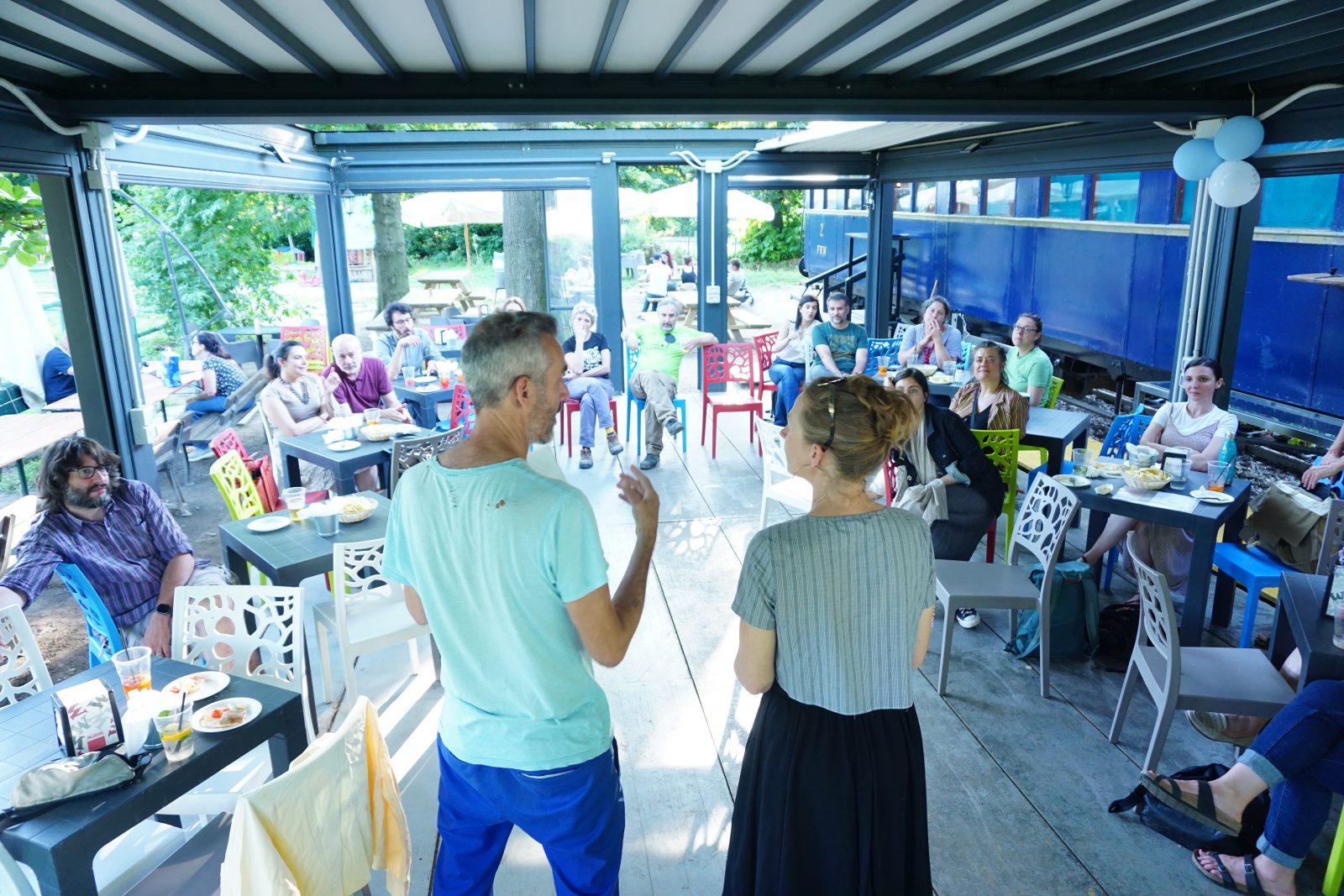
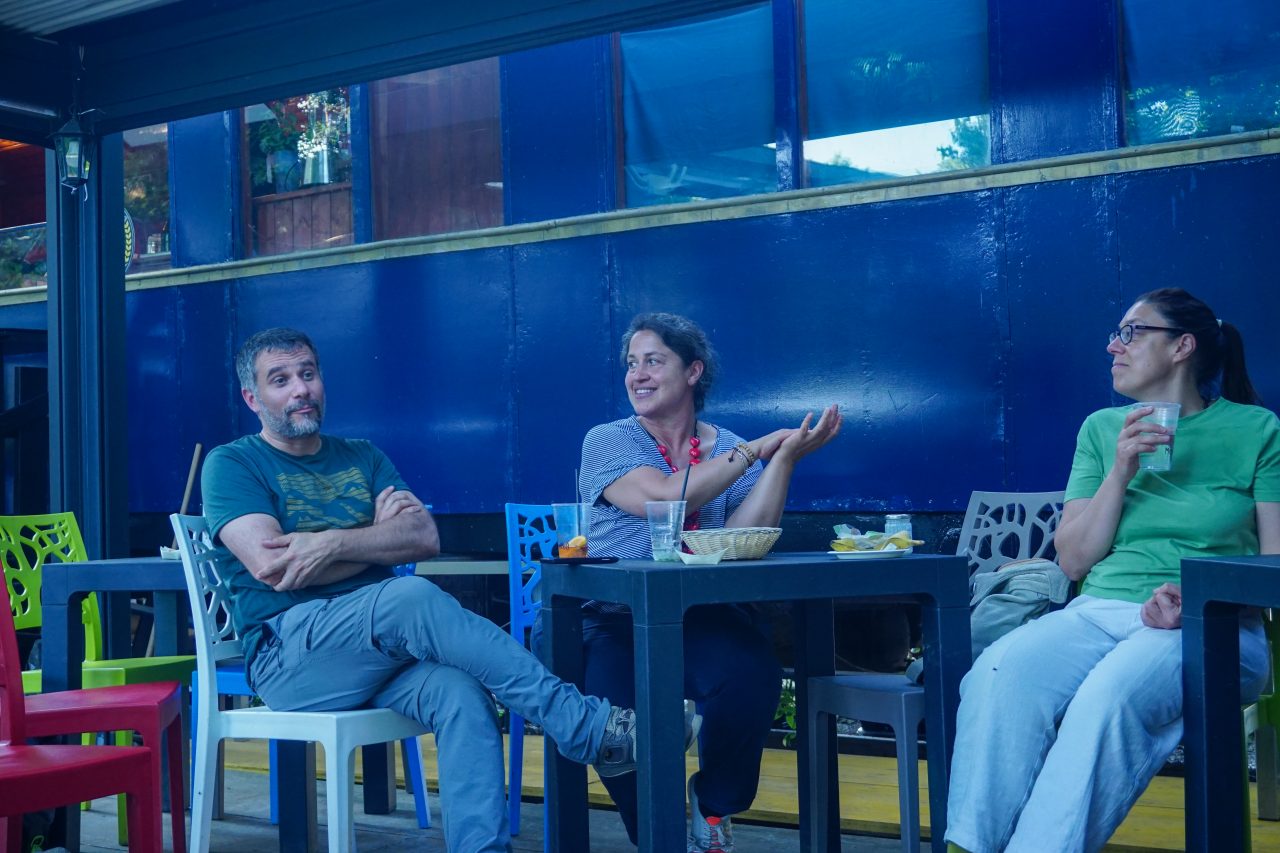
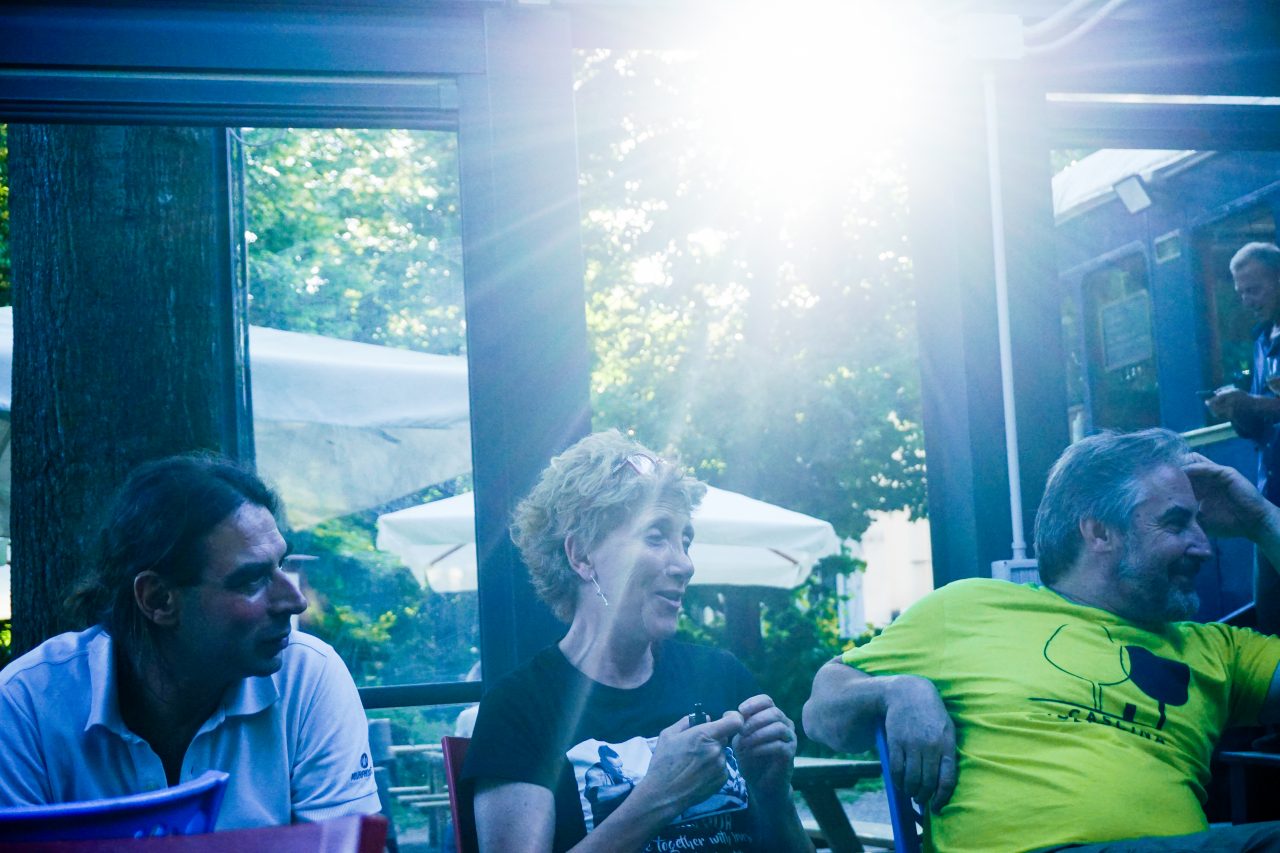
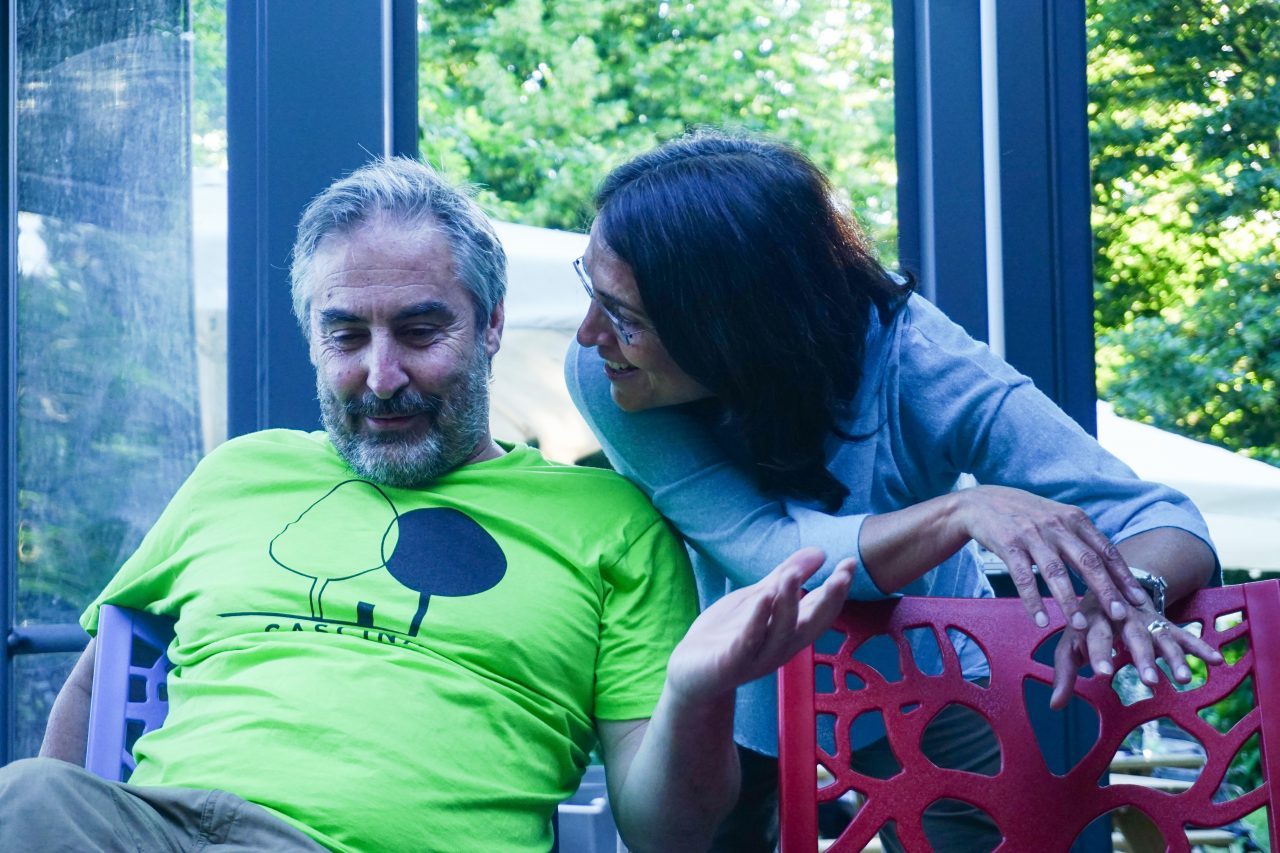
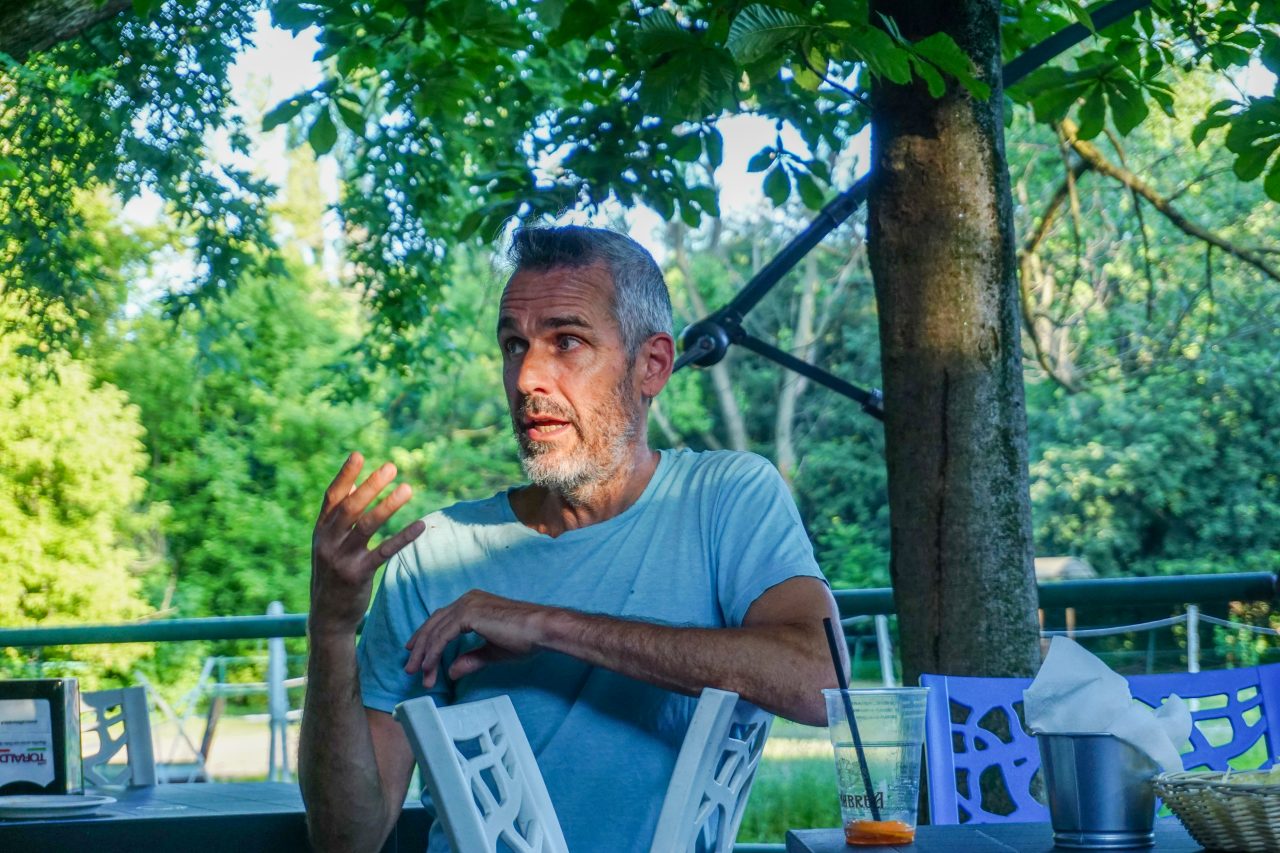
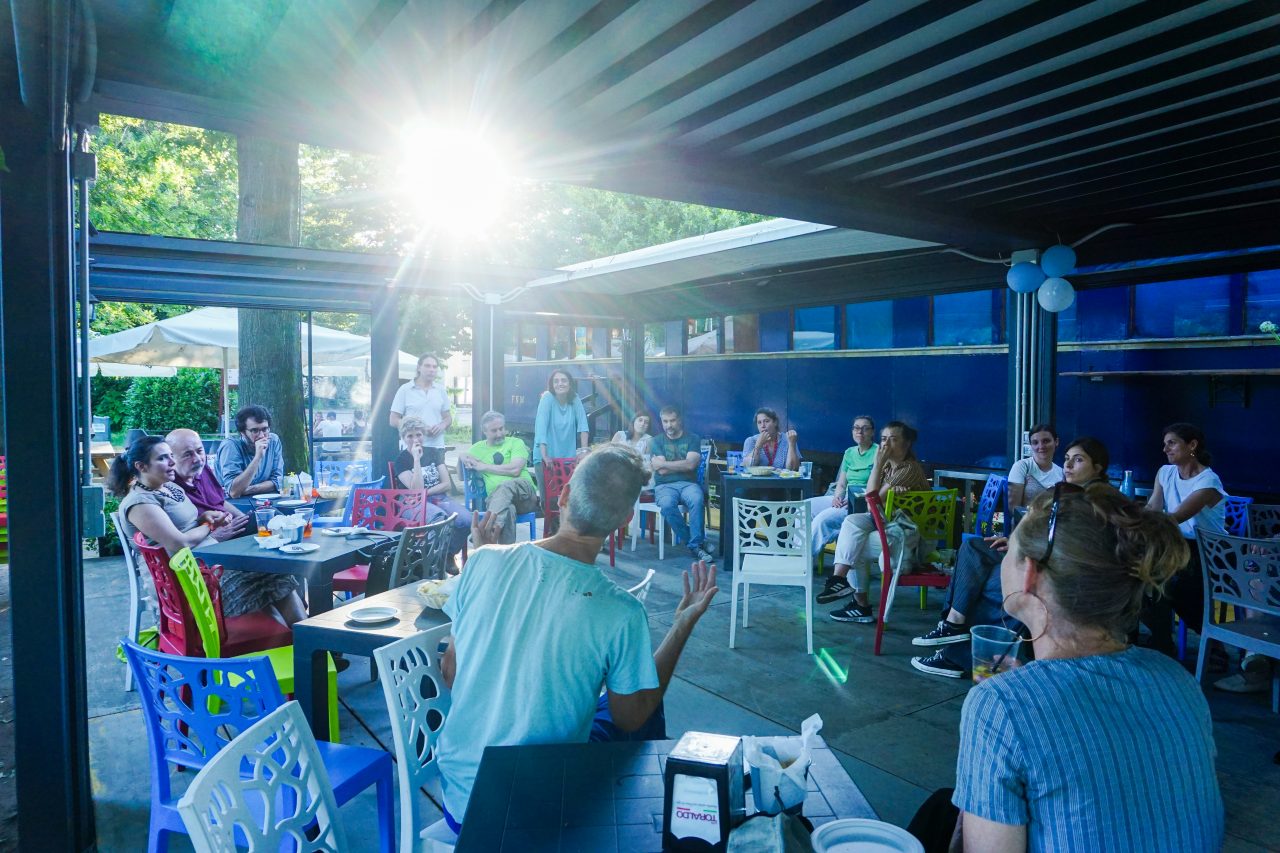
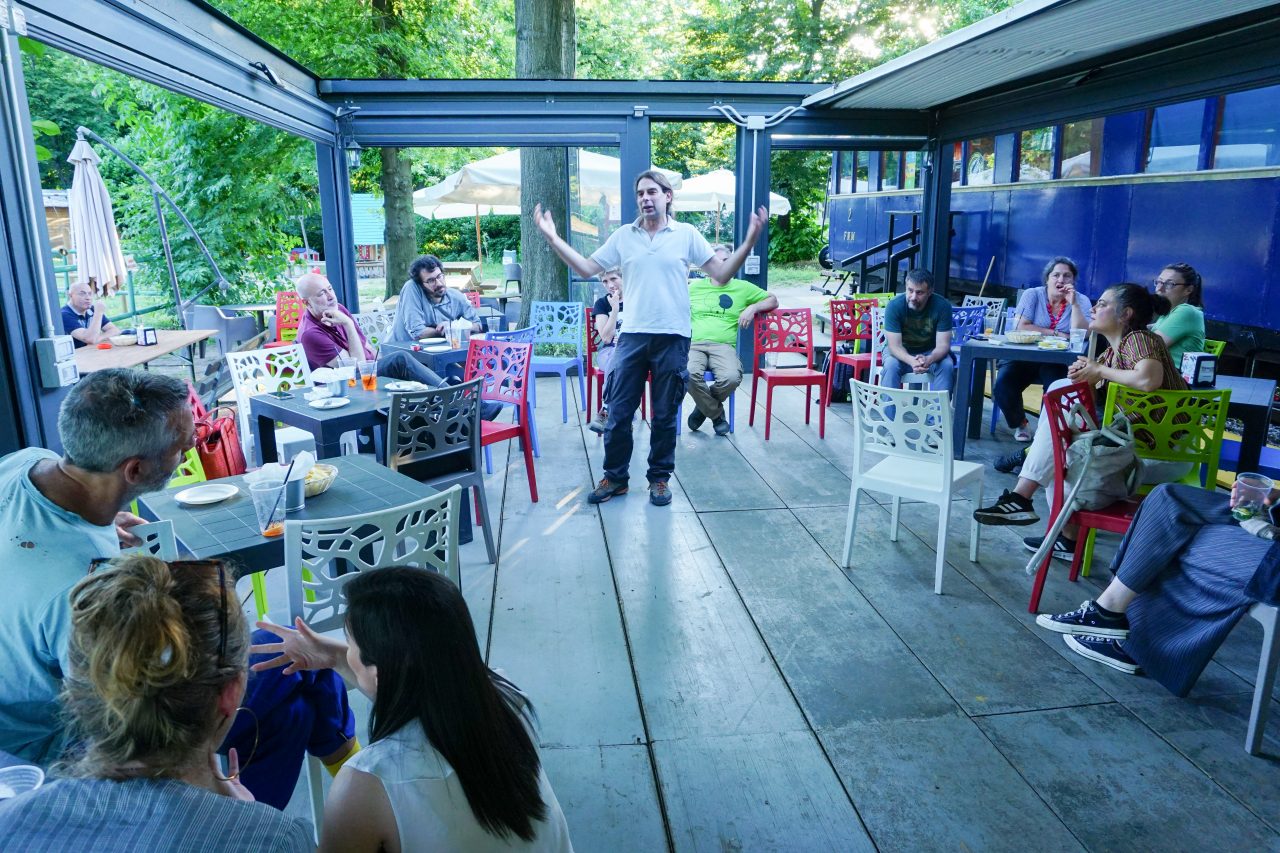
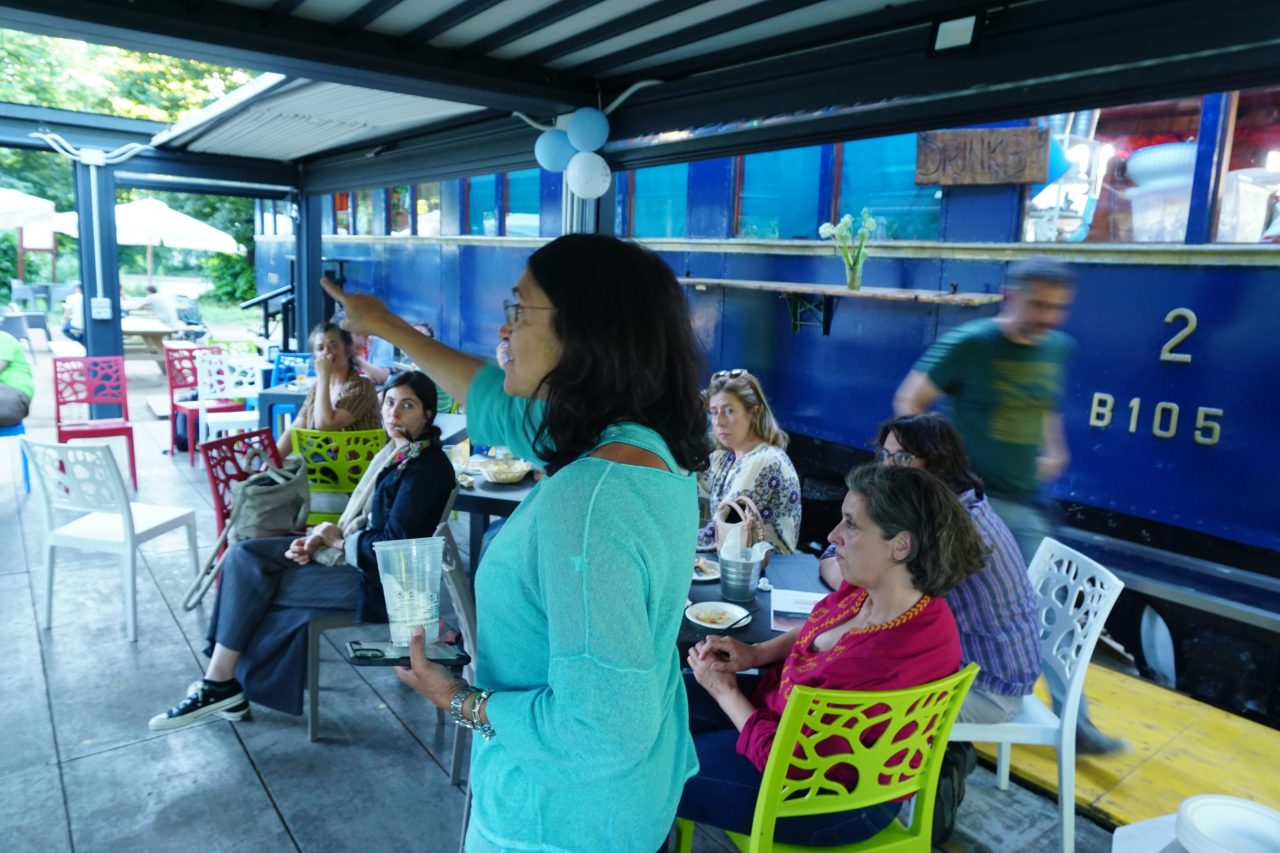
Inaugural events often come with smiles, promises, and light content, serving as a warm-up for the main activities to come. However, the first “Rooting Spritz” of the Palimpsest Project’s residential workshop in Milan was able to dive into substantial and challenging discussions right from the start. This series of evening “Rooting Spritz” aims to conclude each day of the upcoming week with meaningful and informal dialogues, confronting ideas and listening to invited experts’ perspectives.
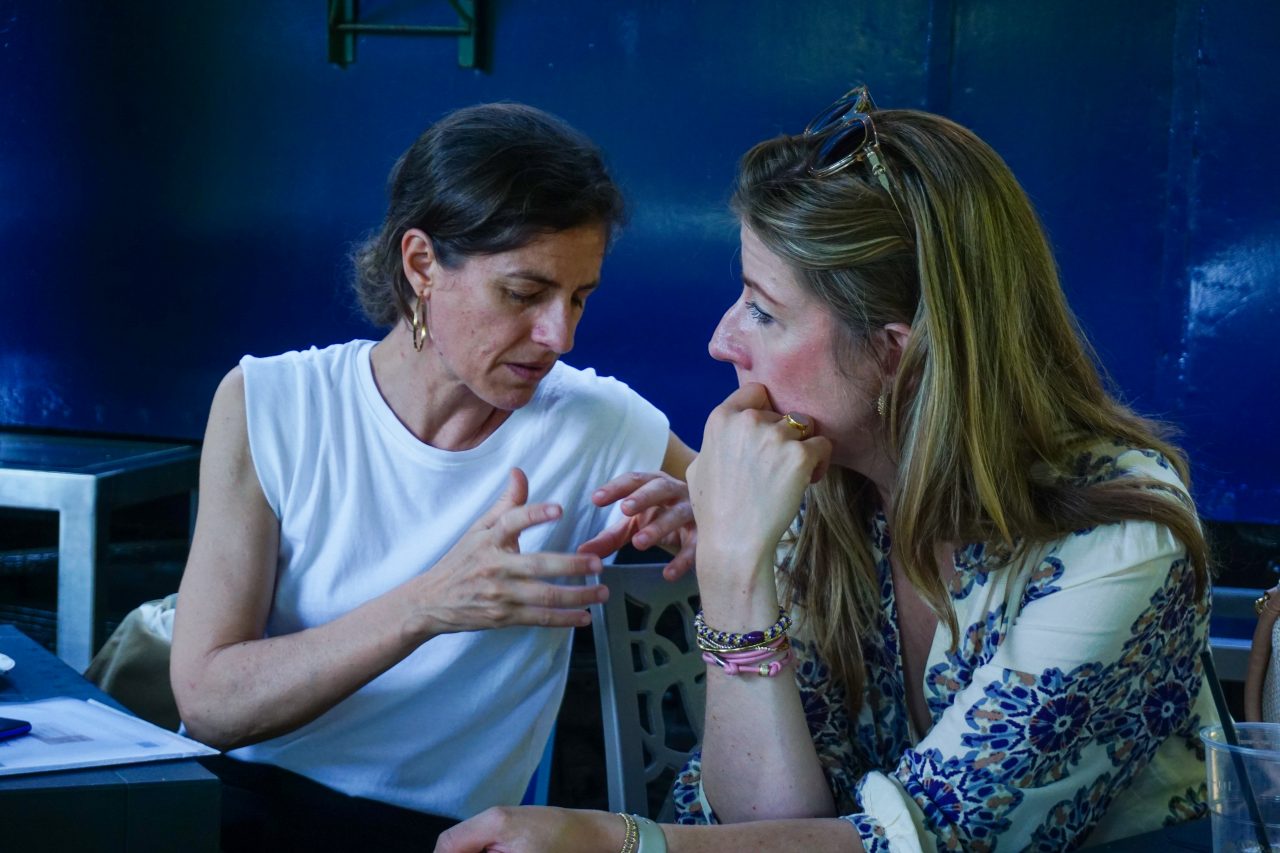
The first event shed light on the ambivalent relationship that Milan has with the Lambro River: Why does Milan overlook its river? Public and journalistic narratives often spotlight the Lambro during crises, whether due to its unpleasant smell, urban decay, waste issues, or flooding. Given the workshop’s location near Cascina Biblioteca, an area prone to such floods, the topic resonated deeply with the audience.
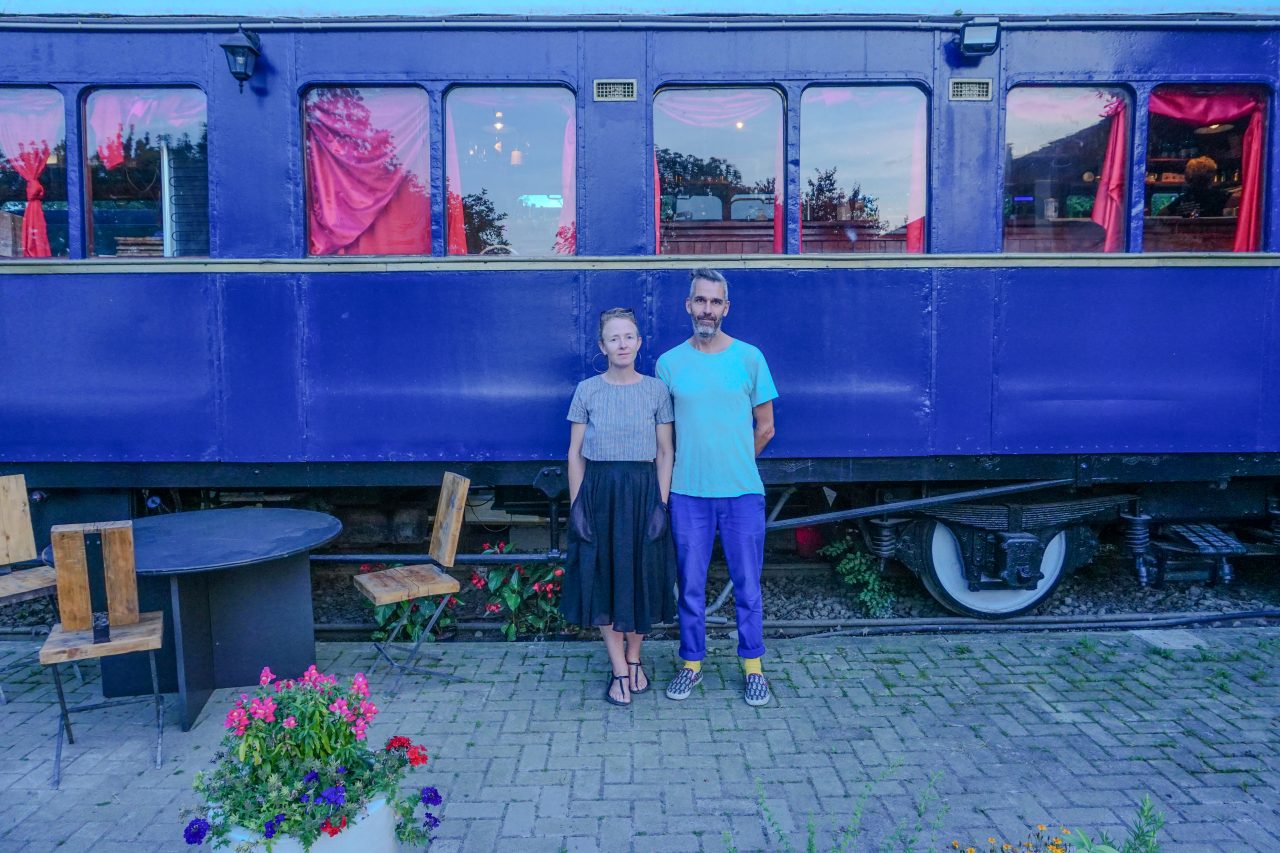
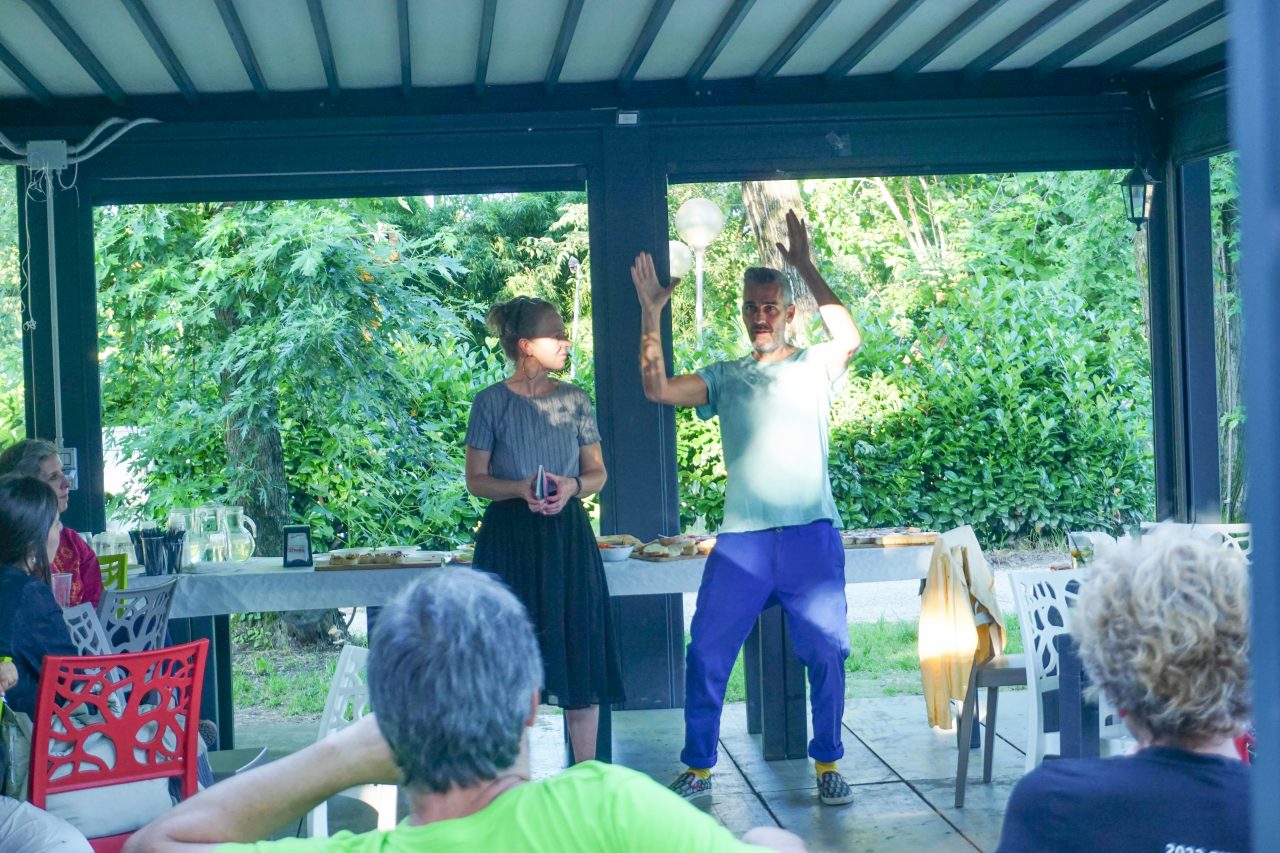
This question emerged naturally after the artist duo Gethan&Myles, who joined the team after winning the Creative Dialogue Open call, introduced their initiative “Acqua Lambro”. Their artistic provocation aims to make the Lambro’s water drinkable, viewing the impossible as plausible. Among participants who joined the discussion, we had Dario Kian (ERSAF-Contratti di Fiume), Gianni Dapri (Associazione Grande Parco Forlanini), Lorenzo Baio (Legambiente Lombardia), Andrea Turolla (Politecnico di Milano), Alessia Bernardini, Thomas Giglio (Cascina Biblioteca) and all the other partners involved!
G&M raised the question of public water management and how people interface with that. Dario Kian from ERSAF – Contratti di Fiume responded that indeed regulations exist in Italy, however, they face numerous challenges. Most of the watercourses are sustained by wastewater treatment plants, which, despite their necessary role, cannot ensure complete water quality. Grazia Concilio from CALL Lab at Politecnico di Milano and Gianni Dapri from Associazione Grande Parco Forlanini emphasised the weaknesses and frequent circumvention of these regulations. Lombardy, in particular, faces a paradox where it has the highest land consumption rate and also the most advanced depaving initiatives. Addressing soil consumption is crucial to improving water issues. The discussions culminated in the provocative question: “Who owns the river?”.
The Palimpsest residential workshop continues, inviting ongoing participation through its website, ERSAF’s platform, and associated social media channels. The CALL Lab team – Grazia Concilio, Irene Bianchi, Francesca Berni, Talita Medina, participates as PALIMPSEST coordination team. Join us at the Rooting Spritz events and stay engaged with the transformative journey of the Lambro River.
Photo: Daniele Federico