Celebrating the Culmination of the MESOC Project: the new Handbook
Envisioning Translocality
Enabling Institutions
Enforcing Practices
Today we announce the release of the MESOC project handbook, a remarkable achievement that we had the privilege of being a part of. This handbook, edited by Giada Galvano and Lluís Bonet, is now available for free download on the project webpage (https://www.mesoc-project.eu/sites/default/files/2023-06/mesoc-handbook-final-june-2023.pdf). This is the result of three years of dedicated research, analysis, and collaboration with the wider community.
The “Measuring the Social Dimension of Culture: Handbook” explores cultural projects’ impact on health, engagement, participation, and urban renewal. Then it discusses measuring societal impact and introduces the Convergent Model. Finally the handbook offers recommendations for policymakers and project managers to apply MESOC findings and tools.
Thanks and recognition for their invaluable editorial support go to Jordi Baltà Portolés and Danielle Bishop from Transit Projectes.
Shedding Light on the Social Impacts of Culture: The MESOC handbook aims to deepen the intricate relationship between culture and society, delving into the profound social impacts that culture has. Through extensive research, our international and diverse team has explored the multifaceted connections between culture and various aspects of human life. This comprehensive handbook offers valuable insights and findings to further deepen our understanding of cultural dynamics.
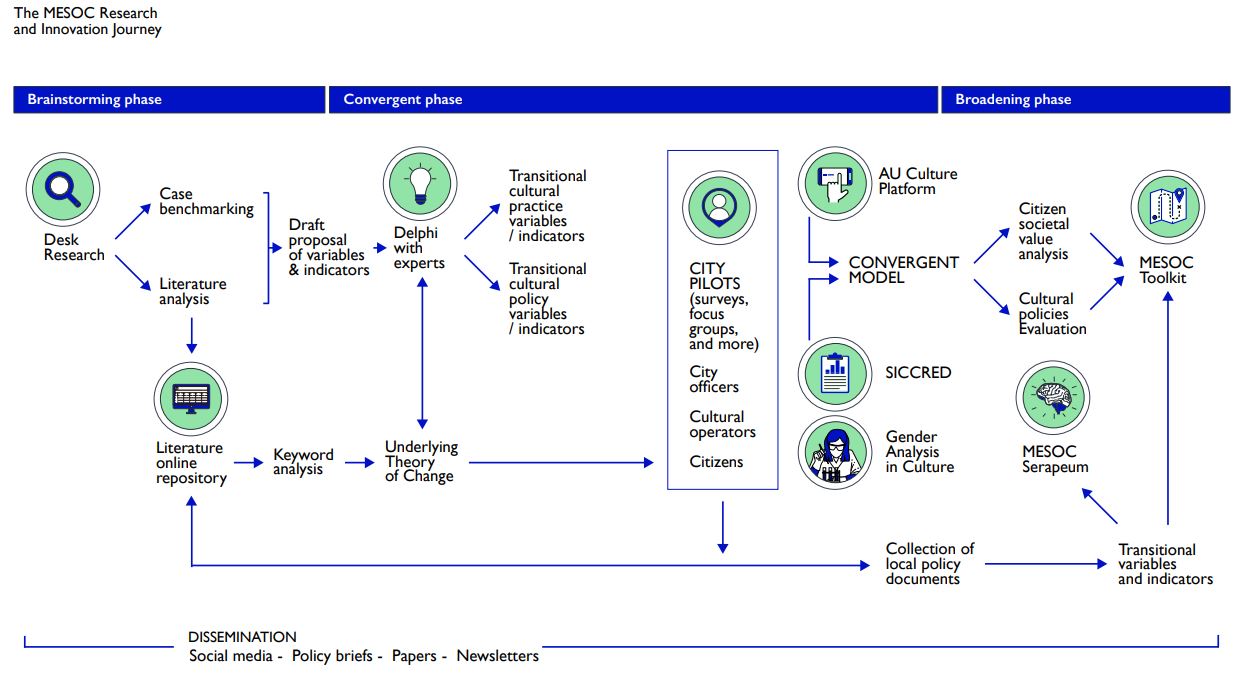
As as collective effort our appreciation goes to Econcult Universitat de Barcelona, Sveučilište u Rijeci / University of Rijeka, Politecnico di Milano, DAEM Cluj Cultural Centre, Relais Culture Europe, KEA European Affairs, Grad Rijeka, Worldcrunch, and all other organizations involved.
Recognizing the Research Team: We would also like to express our gratitude to the exceptional research team at the Programa de Gestió Cultural – Universitat de Barcelona. Montserrat Pareja-Eastaway, Anna Villarroya, Pablo Fernández Compañ, Carlos Sancho Gómez, Albert de Gregorio, Xavier Torrens, José Vicente Pestana Montesinos, and Nuria Codina for the outstanding contributions.
Sharing the Findings: The release of the MESOC handbook signifies the culmination of countless hours of research, analysis, and collaboration. We encourage everyone interested in exploring the social impacts of culture to download the handbook and delve into its contents. It is our collective hope that this handbook will contribute to a deeper understanding and appreciation of the profound role culture plays in shaping our society.
Together, we have achieved a significant milestone, and we look forward to the continued exploration and advancement of the social impacts of culture.